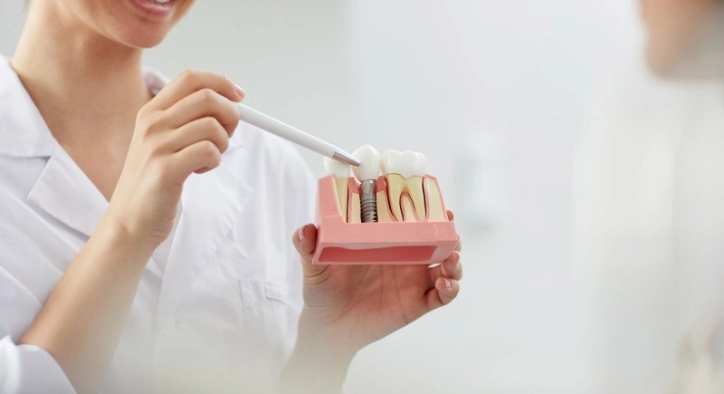
Dental implants are designed to be a durable and stable solution for missing teeth. Their longevity depends on several factors, including the materials used, the skill of the dental professional, and the patient's commitment to oral hygiene.
The implant itself, which is embedded into the jawbone, is typically made of titanium. This material is known for its strength and ability to bond with bone tissue through a process called osseointegration. Once this bond is established, the implant becomes a permanent fixture in the mouth and can last for many years, often even a lifetime.
Attached to the implant is a crown, bridge, or denture, depending on the treatment plan. These prosthetic components are made to withstand daily use, but they may need to be replaced after a certain period due to wear, just like natural teeth. On average, crowns may need replacement every ten to fifteen years, though with excellent care they can last even longer.

Factors that can influence the lifespan of a dental implant include smoking, poor oral hygiene, gum disease, and chronic health conditions. Regular dental checkups and cleanings are essential to monitor the health of the implant and surrounding tissues.
Choosing an experienced dental professional and a reputable clinic plays a crucial role in long term success. High quality materials and precise placement reduce the risk of complications and increase the chances of the implant lasting as long as intended.
With the right care and professional support, dental implants offer a long lasting and functional solution that improves both oral health and overall confidence.
About the Author